

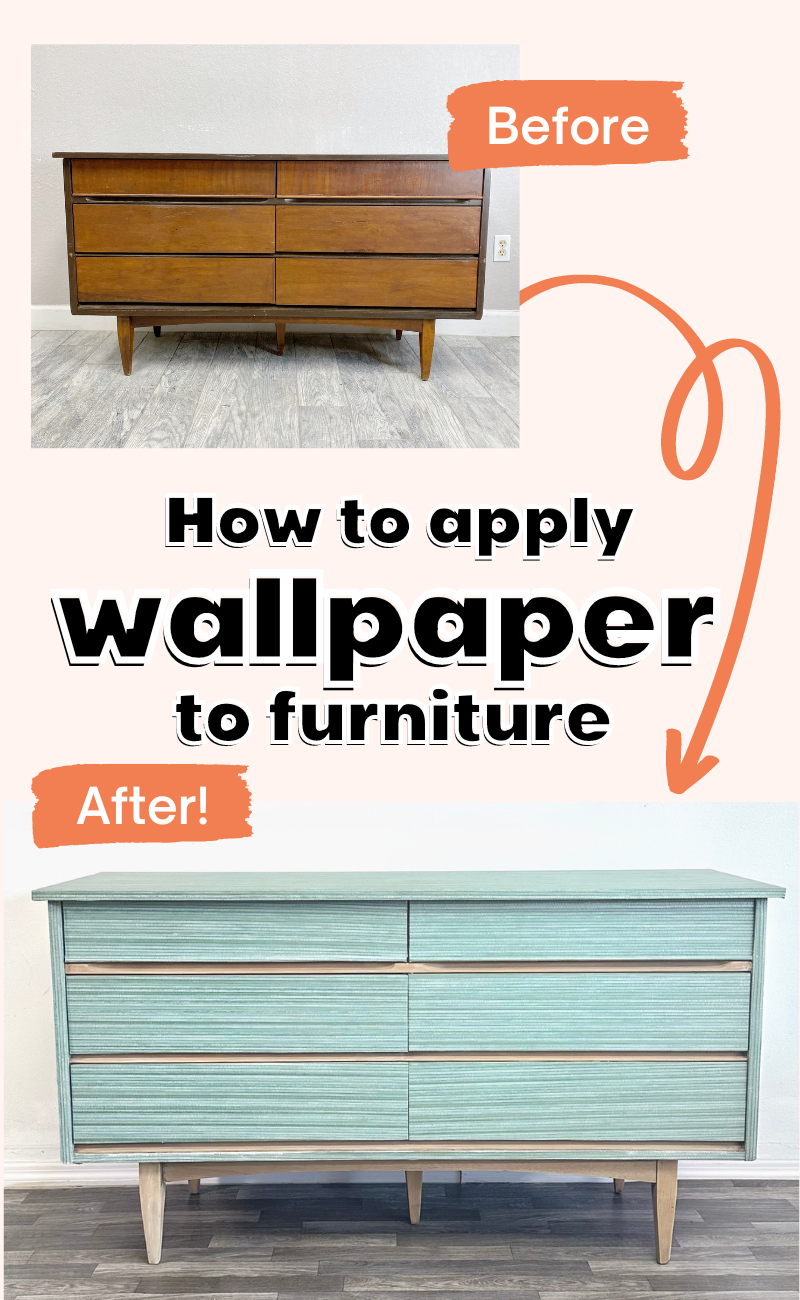
There are so many different ways to update your furniture. Painting is usually my go to method for a furniture makeover but using peel and stick wallpaper is my other favorite technique. This is an easy, inexpensive and mess-free way to add texture, pattern and boldness to outdated or boring furniture.
No messy pastes or glues required.
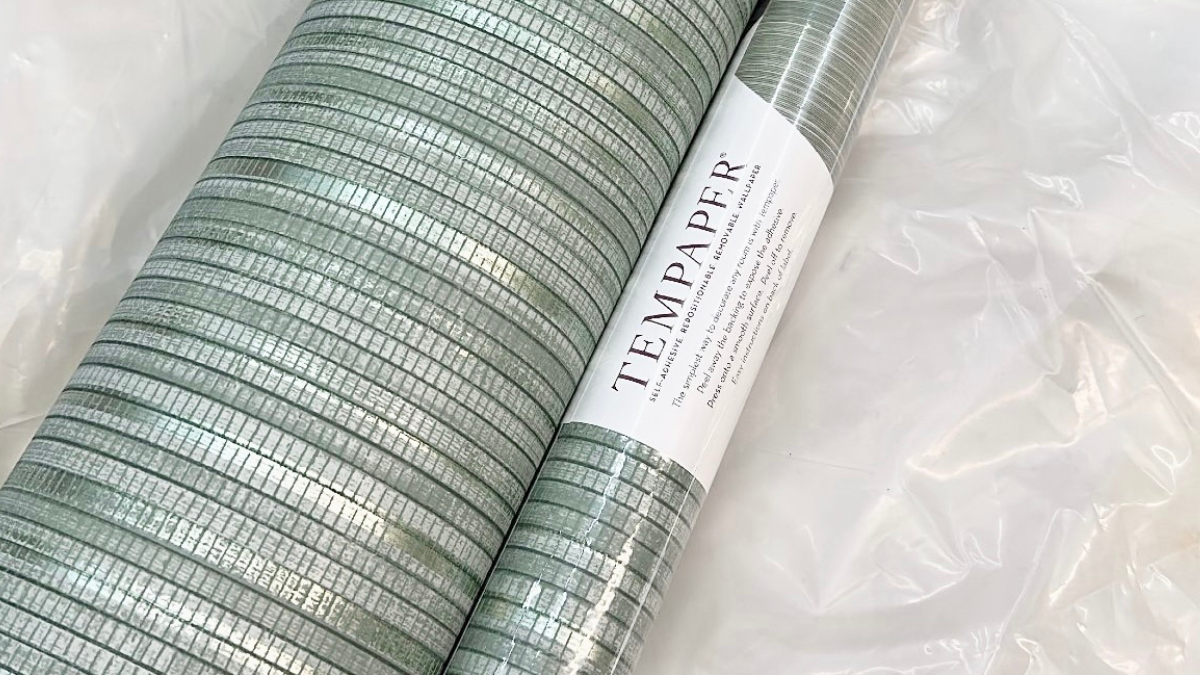
I have always been in love with grasscloth furniture. When I saw Tempaper's new collection of texture grasscloth wallpaper, I knew I wanted to make my own DIY grasscloth dresser using their peel and stick texture wallpaper. I choose the color sage green, you can choose any print, color or design for your furniture.
Adding wallpaper to a dresser is a fantastic way to transform an old, dull piece of furniture into a stylish and eye-catching focal point in your room. Wallpaper comes in a wide range of colors, patterns, and textures, making it a versatile option for customizing your furniture. In this blog post, we'll guide you through the steps of how to add wallpaper to a dresser, giving it a fresh and unique look that complements your decor.
Materials You'll Need
Before you begin, gather the following materials
Step 1: Choose Your Dresser
Select a dresser that you'd like to update. It can be an old piece you already own or a secondhand find. Keep in mind the size and shape of the dresser, as this will affect the amount of wallpaper needed and the complexity of the project
Step 2: Remove Hardware
If your dresser has handles, knobs, or other hardware, remove them using a screwdriver. This will make the wallpapering process easier and ensure a clean, professional finish.
Step 3: Sand and Clean
If the dresser's surface is rough or has imperfections, sand it lightly to create a smooth base for the wallpaper. After sanding, wipe the dresser clean of any dust or debris.
Step 4: Measure and Cut Wallpaper
Measure the dimensions of the dresser, accounting for any drawers or doors. Add a few extra inches to each measurement to ensure you have enough wallpaper to cover the entire surface. Cut the wallpaper to the appropriate size, aligning the pattern if necessary.
Step 5: Apply Wallpaper Adhesive
Lay your wallpaper face-down on a flat surface and apply wallpaper adhesive evenly using a paint roller or brush. Follow the manufacturer's instructions for the adhesive and let it sit for a few minutes to become tacky.
Step 6: Position and Smooth the Wallpaper
Carefully place the adhesive-covered wallpaper onto the dresser, ensuring it lines up correctly. Use a wallpaper smoothing tool to eliminate any air bubbles or wrinkles, working from the center outward. Be patient and take your time during this step for a polished finish.
Step 7: Trim Excess Wallpaper
Use an X-Acto knife or utility knife to trim the excess wallpaper along the edges of the dresser. Make precise cuts for a clean and neat look.
Step 8: Reattach Hardware
Once the wallpaper is in place and trimmed, reattach any hardware you removed earlier. Make sure everything is securely fastened.
Step 9: Optional: Paint or Seal
To protect the wallpaper and add an extra layer of durability, you can apply a clear sealant or a layer of wallpaper adhesive over the top of the wallpaper. This step is especially important if the dresser is in a high-traffic area or may be exposed to moisture.
Conclusion:
Adding wallpaper to a dresser is a creative way to give new life to an old piece of furniture. With the right materials and some patience, you can achieve a stunning result that adds a unique touch to your room's decor. So, get ready to transform your dresser into a stylish statement piece with the beauty of wallpaper!

0 comments