
DIY wood slat Christmas tree spiral
Tutorials

DIY Wood Slat Christmas Tree: A Step-by-Step Guide

Wood Slat Christmas Tree Tutorial

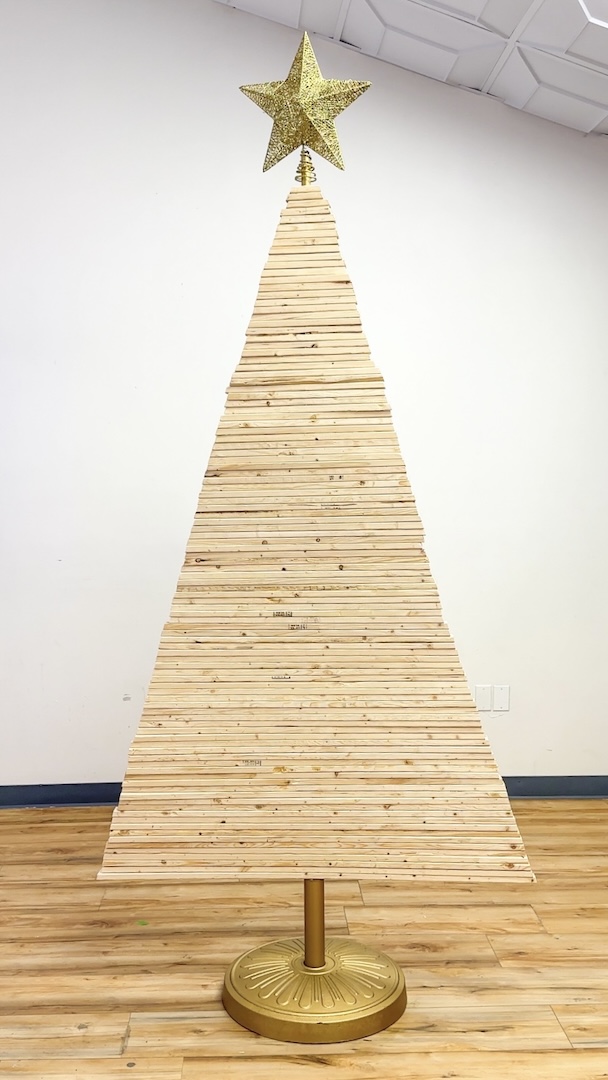
wood christmas tree spiraling

Introduction

This easy-to-follow tutorial will show you how to build a wood slat Christmas tree that will add a touch of rustic charm to your holiday décor. The project is relatively inexpensive and can be completed in a few hours, making it perfect for DIYers of all skill levels.

Hart 20V Tools  🧰

Materials 🪜

Instructions 🗒️

Safety. I recommend safety glasses, a mask and ear protection while cutting and drilling the following project.

1(a). Cut the wood slats to the desired length for your tree. The furring strips should be longer  at the bottom and gradually get shorter towards the top. Let’s start off by cutting the bottom slat. Measure 48" and cut the 1x2x8 furring strip.  

Cutting wood slat to size on the miter saw

1(b). Draw outline.  The bottom piece will be 48", cut the remaining piece to 47.5", the next piece will be 46" and so on.

1(c). Draw outline.  Lay the furring strips on a table in the order from smallest to largest. Outline the tree using a pencil. Your outline should form a perfect triangle. 
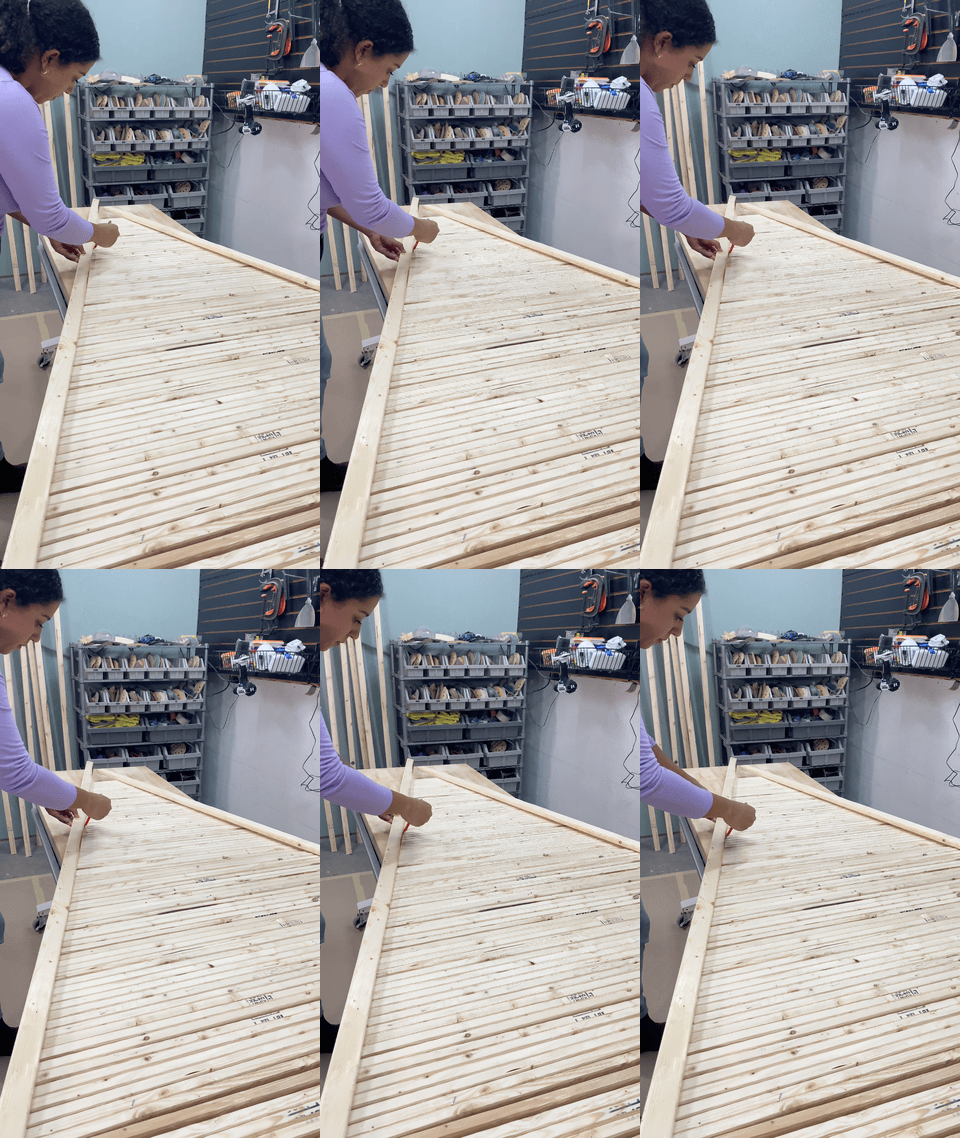
tree outline outer edge

1(d). Draw outline.  Then draw a line down the center of the furring strips. The centerline will be used to mark where we will drill the hole for the conduit in a later step.

1(e). Cut the angles. Place the miter saw at 22.5 degree angle and cut the 1x2 along the penciled line.

Cutting wood slat to size on the miter saw

2. Drill a 3/4" hole in the center of each slat. The holes will be 3/4" which is to accommodate the 3/4" metal conduit. You will want to clamp the 1x2 to stabilize the furring strip.


I recommend buying 12" trigger clamps, if you are going to be doing other wood working projects. They are the perfect size to use on any project. I am using the 20V impact driver with a spade bit attachment. This drills through like butter. 

drilling 3/4" hole in wood slat

3. Sand wood slats to remove rough edges.

sand wood slats smooth

4. Assemble the tree by stacking the slats on top of each other, with the holes aligned.
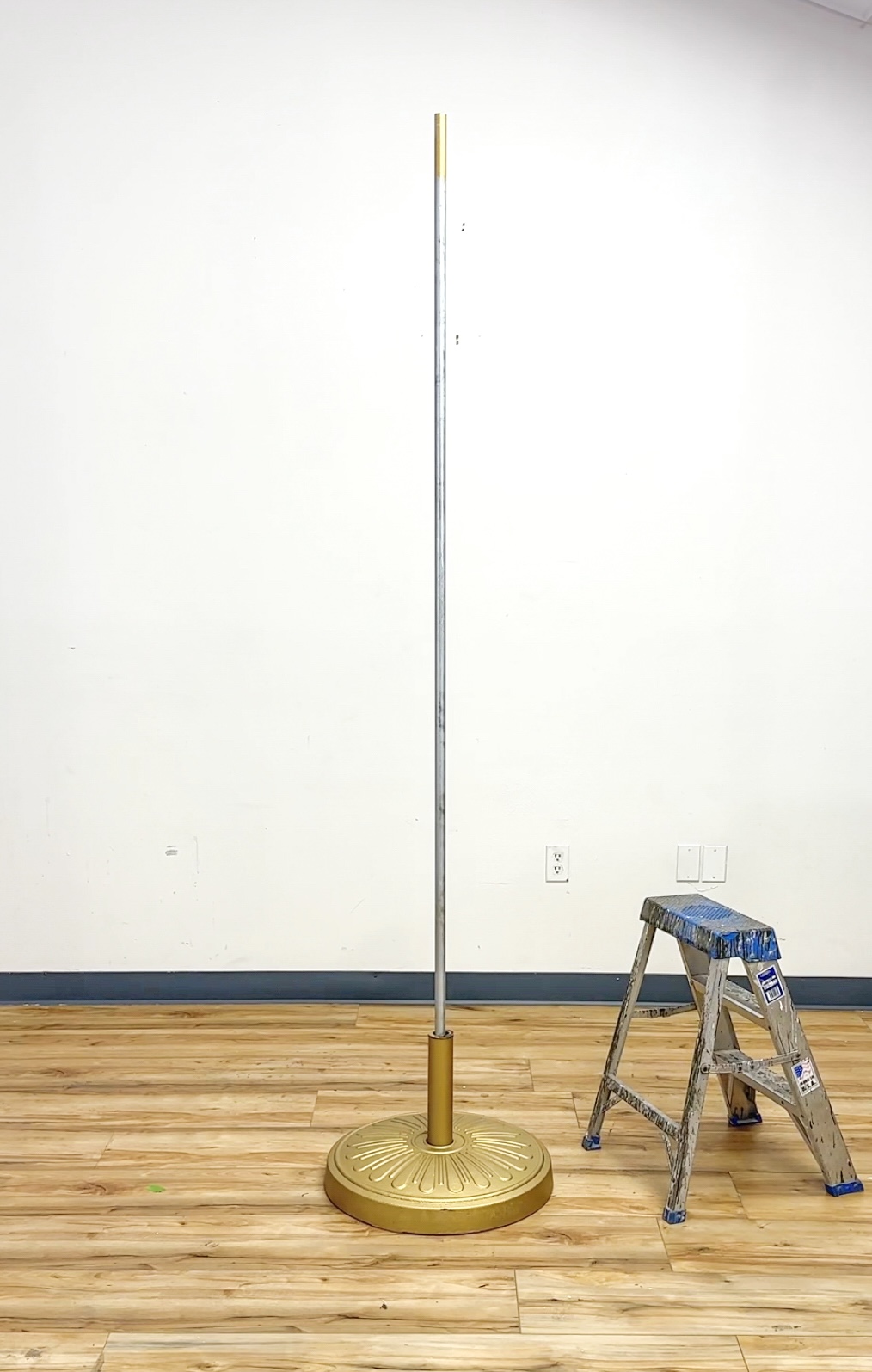
wood christmas tree gold base holding empty metal conduit

5. Assemble the tree by stacking the slats on top of each other, with the holes aligned.

stacking 1x2 furring strips on the metal conduit

6. Add Christmas lights (optional).

7. Top the tree with a star or other tree topper (optional).

DIY wood slat Christmas tree spiral
wood chistmas tree flat

Summary

Once you have finished building and decorating your wood slat Christmas tree, you can display it anywhere in your home.It will add a touch of rustic charm to your holiday décor and be sure to impress your guests.

I was impressed using Hart Tools for this project. These tools are perfect for the home DIYer. Their tools are sold at Walmart.

This easy-to-follow tutorial showed you how to build a wood slat Christmas tree in just a few steps. The project is relatively inexpensive and can be completed in a few hours, making it perfect for DIYers of all skill levels.
Read More
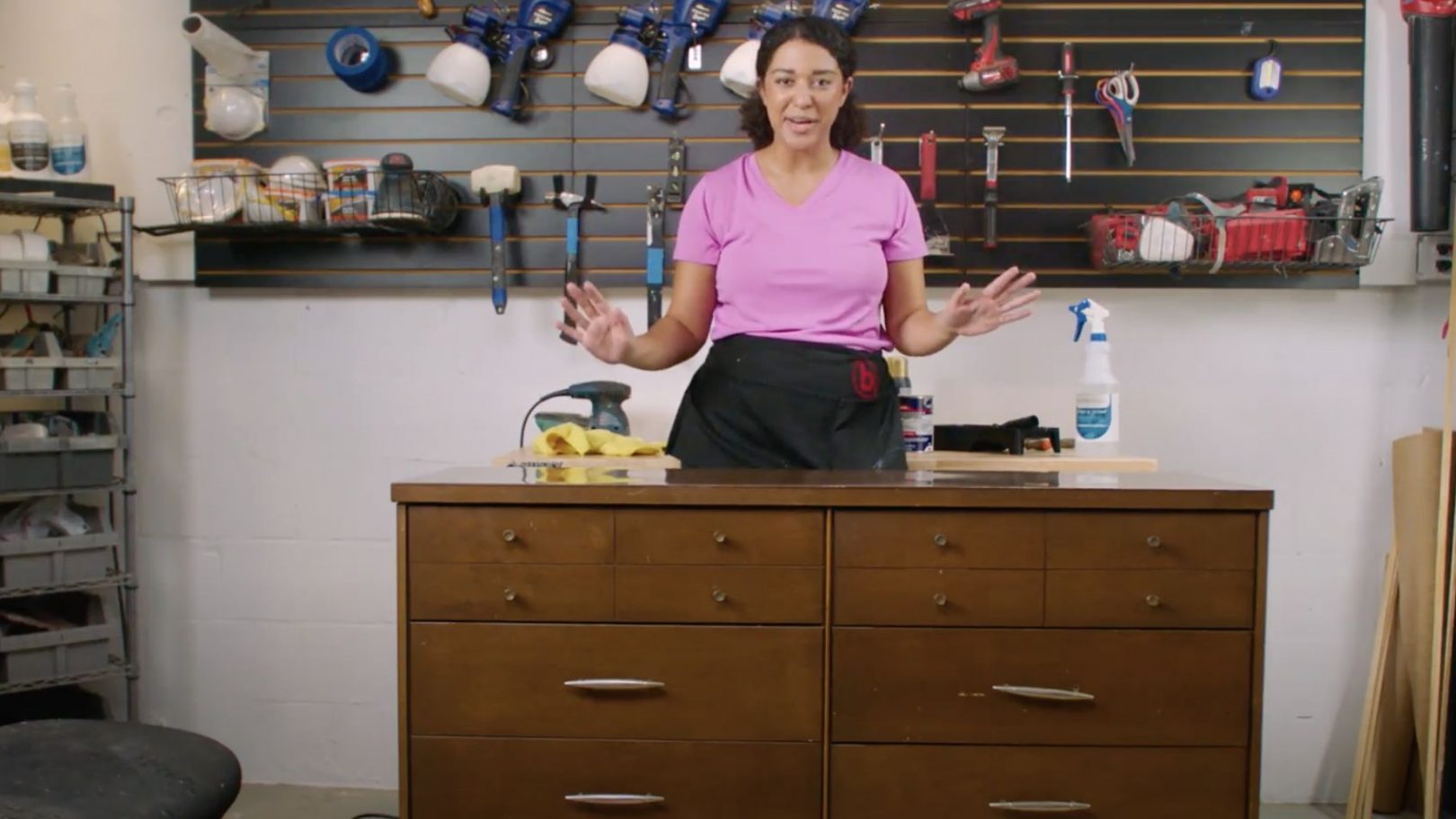
@redesignbybre InTheKnow dresser collar
Painting

How to Paint Mid Century Furniture

Mid-century modern furniture is known for its clean lines, simple designs, and warm wood tones. While many people love the classic look of MCM furniture, some pieces may need a little updating to fit in with modern décor. 

Painting mid-century furniture is a great way to give it a new lease on life without sacrificing its original style.

Here are a few tips on how to paint mid-century furniture:

1. Choose the right paint. When painting mid-century furniture, it's important to choose a paint that is durable and easy to apply. Chalk paint and milk paint are both good options for MCM furniture, as they are both low-VOC and easy to use. If you're looking for a more traditional paint finish, you can also use a latex or oil-based paint.

2. Prepare the furniture. Before you start painting, it's important to prepare the furniture properly. This means removing any hardware, cleaning the surface thoroughly, and sanding the wood to remove any old finish. If there are any deep scratches or dents, you may also need to fill them in with wood filler.

3. Apply the paint. Once the furniture is prepared, you can start applying the paint. Be sure to follow the instructions on the paint can carefully. Most paints will require at least two coats for a full coverage finish.

4. Protect the finish. Once the paint has dried completely, you'll need to protect the finish with a topcoat. This will help to seal in the paint and prevent it from chipping or scratching.

Here are a few additional tips to keep in mind when painting mid-century furniture:

  • If you're painting a piece of furniture that has a veneer finish, it's important to be very careful when sanding. Sanding too aggressively can damage the veneer.
  • If you're unsure about what color to paint your furniture, consider using a color that is complementary to the wood tone. For example, if your furniture has a warm walnut finish, you could paint it a cool blue or green.
  • Don't be afraid to get creative with your paint job. You can paint your furniture in a solid color, or you can create a more unique look by using multiple colors or patterns.

With a little bit of preparation and care, you can easily paint mid-century furniture to give it a new and stylish look.

The post "How to Paint Mid Century Furniture" first appeared on InTheKnow

Read More
Tutorials

How To Add Wallpaper to a Dresser

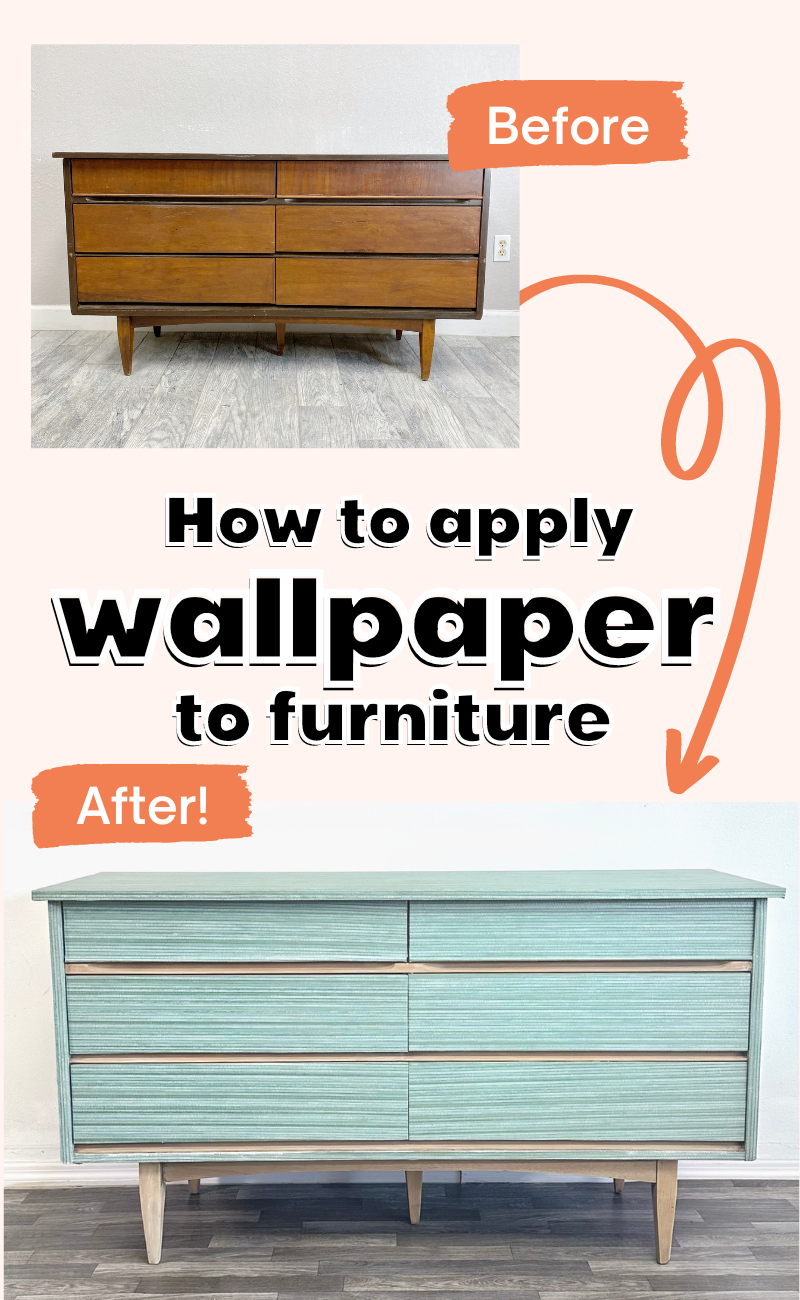
There are so many different ways to update your furniture. Painting is usually my go to method for a furniture makeover but using peel and stick wallpaper is my other favorite technique. This is an easy, inexpensive and mess-free way to add texture, pattern and boldness to outdated or boring furniture.

No messy pastes or glues required.

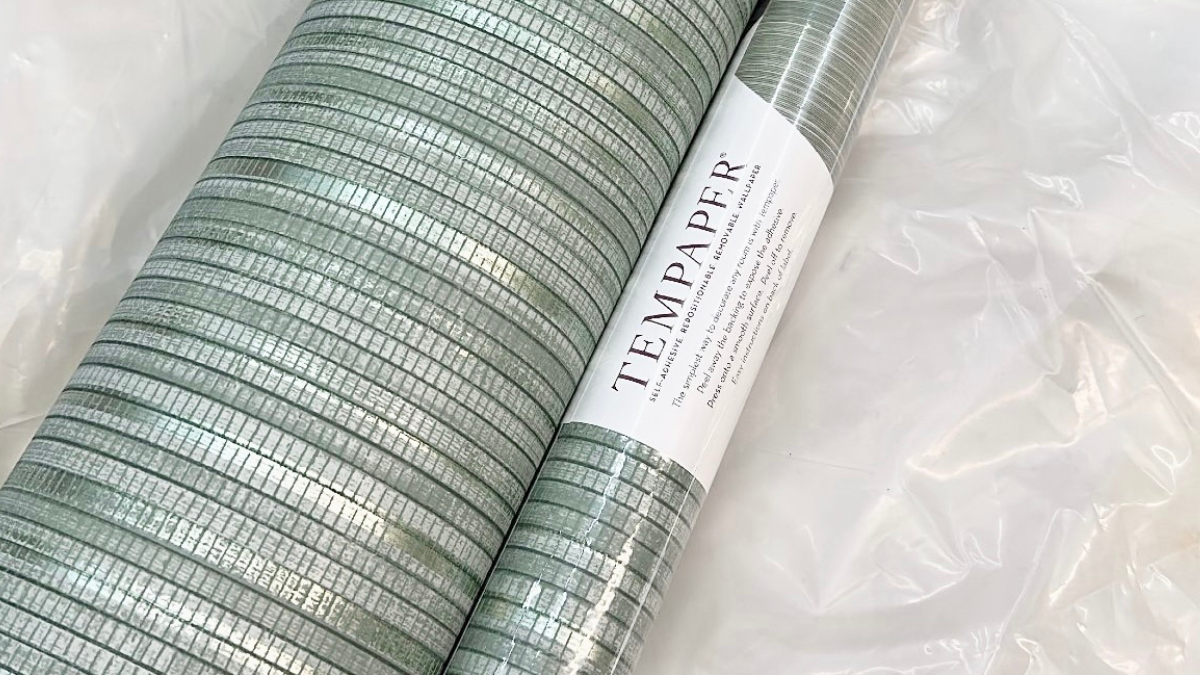
I have always been in love with grasscloth furniture. When I saw Tempaper's new collection of texture grasscloth wallpaper, I knew I wanted to make my own DIY grasscloth dresser using their peel and stick texture wallpaper. I choose the color sage green, you can choose any print, color or design for your furniture.

Adding wallpaper to a dresser is a fantastic way to transform an old, dull piece of furniture into a stylish and eye-catching focal point in your room. Wallpaper comes in a wide range of colors, patterns, and textures, making it a versatile option for customizing your furniture. In this blog post, we'll guide you through the steps of how to add wallpaper to a dresser, giving it a fresh and unique look that complements your decor.

Materials You'll Need

Before you begin, gather the following materials

  • Dresser
  • Wallpaper
  • Wallpaper adhesive
  • Wallpaper smoothing tool
  • X-Acto knife or utility knife
  • Measuring tape
  • Screwdriver (if you need to remove hardware)
  • Sandpaper (if needed)
  • Drop cloth or old sheets
  • Optional: paint and primer

Step 1: Choose Your Dresser

Select a dresser that you'd like to update. It can be an old piece you already own or a secondhand find. Keep in mind the size and shape of the dresser, as this will affect the amount of wallpaper needed and the complexity of the project

Insert Image

Step 2: Remove Hardware

If your dresser has handles, knobs, or other hardware, remove them using a screwdriver. This will make the wallpapering process easier and ensure a clean, professional finish.

Insert Image

Step 3: Sand and Clean

If the dresser's surface is rough or has imperfections, sand it lightly to create a smooth base for the wallpaper. After sanding, wipe the dresser clean of any dust or debris.

Insert Image

Step 4: Measure and Cut Wallpaper

Measure the dimensions of the dresser, accounting for any drawers or doors. Add a few extra inches to each measurement to ensure you have enough wallpaper to cover the entire surface. Cut the wallpaper to the appropriate size, aligning the pattern if necessary.

Insert Image

Step 5: Apply Wallpaper Adhesive

Lay your wallpaper face-down on a flat surface and apply wallpaper adhesive evenly using a paint roller or brush. Follow the manufacturer's instructions for the adhesive and let it sit for a few minutes to become tacky.

Insert Image

Step 6: Position and Smooth the Wallpaper

Carefully place the adhesive-covered wallpaper onto the dresser, ensuring it lines up correctly. Use a wallpaper smoothing tool to eliminate any air bubbles or wrinkles, working from the center outward. Be patient and take your time during this step for a polished finish.

Insert Image

Step 7: Trim Excess Wallpaper

Use an X-Acto knife or utility knife to trim the excess wallpaper along the edges of the dresser. Make precise cuts for a clean and neat look.

Insert Image

Step 8: Reattach Hardware

Once the wallpaper is in place and trimmed, reattach any hardware you removed earlier. Make sure everything is securely fastened.

Insert Image

Step 9: Optional: Paint or Seal

To protect the wallpaper and add an extra layer of durability, you can apply a clear sealant or a layer of wallpaper adhesive over the top of the wallpaper. This step is especially important if the dresser is in a high-traffic area or may be exposed to moisture.

Conclusion:

Adding wallpaper to a dresser is a creative way to give new life to an old piece of furniture. With the right materials and some patience, you can achieve a stunning result that adds a unique touch to your room's decor. So, get ready to transform your dresser into a stylish statement piece with the beauty of wallpaper!

Insert Video
Read More
Tutorials

DIY Workshop Stool with Wheels with THIS Ridiculously Simple Hack

I love DIY it fills me with joy! It also fills me with pain in places I never knew could hurt so much. I’ve had to learn to work smarter. This idea came to me after several days of sanding, squatting and bending.I’ve received great feedback on this hack so far so I am excited to share this with you.

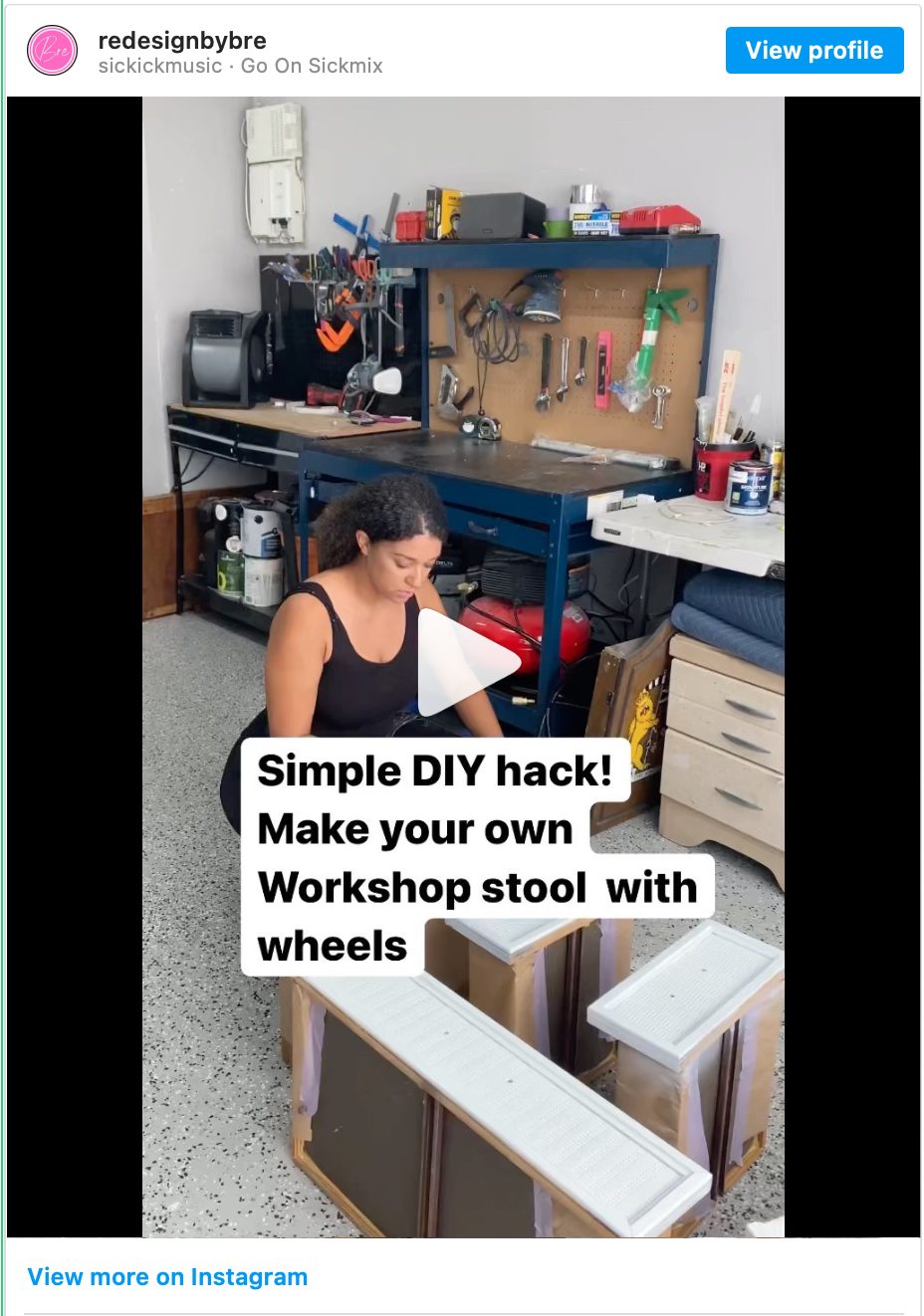
Redesign by Bre Instagram Reel

By far one of the most genius hacks of 2022!

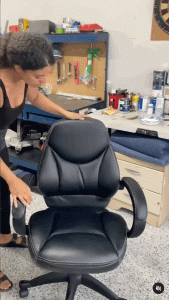
In this tutorial, you will learn how to repurpose a desk chair to create a workshop stool on wheels in under 10 minutes. You’ll need a desk chair and a screw driver or Allen wrench. Remember the desk chair that you purchased last year when we started working from home? Yes, that one will do!

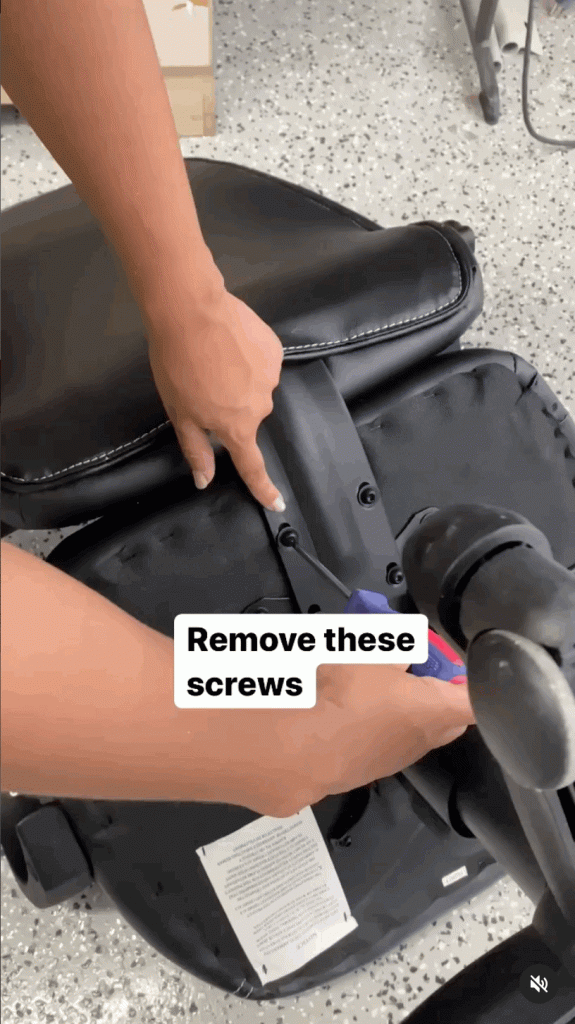
First, inspect the chair to find the places where the arms and back are screwed into the chair. In some chairs the arms are screwed into the chair and the back section. Flip the chair over so that the screws that hold the back support are facing up. See the example below for guidance.

Next, remove the screws that hold the arms to the chair. You will be left with a seat on wheels.

If you are anything like me the next 10 minutes will be spent spinning around and rolling from one side of the workshop to the other. Ahhh, now enjoy your workshop therapy. Catch you on the flop side!

Checkout the reel I created for this tutorial here. Like and share to spread the love to the DIY community. Comment on the reel or send me a direct message with any questions!

Read More